

Semrush vs Moz: which SEO tool should you use?
7 min read
Last updated November 21, 2026. How we pick: we compare the job each tool is for, from public product pages, not a paid ranking.
Short answer: pick Semrush if you want one platform for SEO, AI search visibility, local listings, content, social and ads research, and you are happy to pay more and add toolkits as you grow. Pick Moz if you mainly need clear, focused SEO tools (keyword research, rank tracking, site audits and link data with its well known Domain Authority metric) at a lower entry price, with AI visibility tracking built into Moz Pro.
Sponsored
Headwaze · Sponsored pin
This comparison is for marketers, founders, freelancers and agencies choosing an SEO platform. Everything below comes from each company’s own website, linked in the text, and is attributed to them. We do not print prices or plan limits, because they change often, so check the live pricing pages before you pay.
Quick comparison
| Question | Semrush | Moz |
|---|---|---|
| Best for | Teams that want SEO plus wider marketing data in one place | Small businesses, marketers and agencies that want focused SEO tools |
| Free option | Free plan with a small daily limit on reports, plus free trials of paid plans | Free Moz Community account with limited access to some tools, plus a free trial of Moz Pro |
| How it is sold | A main SEO and AI search plan, with specialist toolkits and extra users as add-ons | Moz Pro tiers that include a set number of user seats, with Moz Local, AI Explorer, STAT and the API sold separately |
| Authority metric | Authority Score | Domain Authority and Brand Authority |
| AI search tracking | AI visibility, prompt research and AI brand sentiment | AI visibility dashboards and prompt tracking in Moz Pro, plus the standalone AI Explorer |
| Beyond SEO | Local, content, social, advertising, market research and digital PR toolkits | Local listings through Moz Local; no social or ads toolkits listed |
| AI assistant connection | Semrush MCP for ChatGPT, Claude, Gemini, Perplexity, Cursor and more | An MCP server for Moz API data |
What Semrush offers
Semrush’s homepage calls it the unified SEO and AI search solution, and its site header describes Semrush as an Adobe company. Its features page covers keyword research, competitor analysis, backlink analysis, a technical site audit, daily rank tracking across locations and devices, content creation, digital PR and branded marketing reports. On the AI side it lists AI visibility (how often your brand appears in answers from ChatGPT, Perplexity, Gemini, Claude and AI Overviews), prompt research and AI brand sentiment. It also offers local search tools for listings, reviews and Google Business Profile, and market analysis for whole industries.
Semrush’s pricing page lists a Free plan, an SEO plan, SEO and AI search plans called Starter and Pro+, an Advanced plan through sales, and Enterprise. Separate tabs cover specialist toolkits for AI visibility, traffic and market data, local, content, social, advertising and AI PR, so you pick a core plan and add only the toolkits you need. Extra users are a paid add-on. Semrush says the Free plan gives limited access with a demo project and a daily cap on reports, and that paid plans come with a free trial.
Semrush also works inside AI assistants. Its MCP page says you can connect Semrush data to ChatGPT, Claude, Perplexity, Gemini, Cursor, VS Code, Claude Code and more, and ask for keyword research or reports in chat. It notes that you need an active Semrush subscription with API access, and the pricing page lists MCP access from the Starter plan.
- Good for: in-house teams and agencies that want SEO, AI search, local, content and competitor research in one login.
- Watch for: a higher entry price, and toolkits and extra users that add to the bill as you expand.
What Moz offers
Moz’s homepage pitches Moz Pro as a way to show up in search and in AI. According to its Moz Pro page, the suite includes Keyword Explorer, keyword suggestions grouped by search intent, competitive research and SERP analysis, an On-page Grader, a rank tracker, Site Crawl with on-demand re-crawls, Campaigns and custom reports, plus MozBar Premium, its SEO toolbar for Chrome. Moz AI features appear in Domain Overview and Keyword Suggestions, and Moz Pro now also tracks how often your brand appears across tracked AI prompts.
Moz’s pricing page lists Standard, Medium and Large plans, an entry-level plan for people managing a single website, and Enterprise. Each tier includes a set number of user seats, tracked sites and keywords, and extra seats or limits can be added. The plans also include AI and GEO features such as AI visibility dashboards, tracked prompts across GPT, Gemini and Google AI Mode, prompt suggestions and AI content briefs. Moz offers a free trial and a free Moz Community account with limited access to MozBar, Keyword Explorer and Link Explorer, and its free SEO tools include a Domain Authority checker, a Brand Authority checker and MozCast for tracking Google algorithm changes.
Moz sells other products separately. Moz AI Explorer tracks brand mentions, citations and sentiment across major AI models for budget-conscious teams, Moz Local manages business listings and reviews, STAT handles large-scale SERP tracking for enterprise SEO, and the Moz API supplies Moz’s link and keyword data, with an MCP server for AI assistants. Moz started life as SEOmoz and is now part of Ziff Davis.
- Good for: small businesses, marketers and agencies that want trusted SEO metrics and simple workflows without a sprawling suite.
- Watch for: no social media or ads toolkits, and AI prompt tracking that Moz lists as weekly on Moz Pro.
Pricing model: modular suite or focused tiers
Semrush is modular: you choose a core SEO and AI search plan, then add toolkits such as Local, Content, Social or Advertising, and pay extra for each additional user. That suits teams that want one vendor for most of their marketing data, but the total can climb quickly. Moz keeps things simpler: each Moz Pro tier bundles seats, tracked sites and AI visibility features, and its entry-level plans are listed below Semrush’s at the time of writing. Both offer a discount for paying yearly. Model your own setup (sites, keywords, people and toolkits) against both live pricing pages before you decide.
Data, authority metrics and AI search
Both tools give you keyword, backlink and competitor data, but they score websites differently. Semrush’s Authority Score, explained in its knowledge base, combines link power, organic traffic and spam factors. Moz’s Domain Authority measures the strength of a domain’s link profile, and Moz says it is not a Google ranking factor and has no effect on search results. Treat either score as a way to compare sites, not as a target in itself. For AI search, Semrush tracks visibility and sentiment across ChatGPT, Perplexity, Gemini, Claude and AI Overviews, while Moz tracks GPT, Gemini and Google AI Mode in Moz Pro and AI Explorer.
Which should you choose?
- You are a solo founder or small business: Moz, starting with its free tools or the entry-level plan, if you mainly need keyword research and rank tracking.
- You run content and SEO for a growing brand: Semrush, for the content, competitor and AI visibility tools in one place.
- You are an agency: either works. Semrush covers more channels for clients, and Moz is simpler to roll out across a team with seats included.
- You care most about link metrics: try both. Domain Authority is Moz’s own link metric, while Semrush’s Authority Score also factors in organic traffic.
- You also manage ads or social: Semrush, which sells advertising and social toolkits.
- You want SEO data inside ChatGPT or Claude: Semrush MCP is built for this; Moz offers an MCP server through its API.
The easiest test is to research the same keywords and competitors on Semrush’s Free plan or trial and on Moz Pro’s free trial. If you are also weighing Ahrefs, read our Ahrefs vs Semrush and Ahrefs vs Moz guides, or see the best Ahrefs alternatives. You can also compare Ahrefs on Unloc, and check how each tool connects to ChatGPT or Claude if you work with AI assistants.
FAQ
Is Semrush better than Moz?
Semrush does more: SEO plus AI visibility, local, content, social, ads and market research toolkits. Moz is more focused on SEO and says its tools are intuitive to start with. If you only need keyword research, rank tracking, site audits and link data, Moz may be enough. Try both on your own site.
Is Moz cheaper than Semrush?
At the time of writing, Moz’s entry-level plans are listed below Semrush’s, and Moz Pro tiers include user seats. Semrush charges extra for additional users and specialist toolkits. Prices change, so compare both live pricing pages against your own setup.
Do Semrush and Moz have free plans?
Semrush has a Free plan with a demo project and a small daily limit on reports. Moz offers a free Moz Community account with limited access to MozBar, Keyword Explorer and Link Explorer, plus free SEO tools. Both also offer free trials of their paid plans.
What is the difference between Domain Authority and Authority Score?
Domain Authority is Moz’s score for the strength of a domain’s link profile. Authority Score is Semrush’s score, based on link power, organic traffic and spam factors. Both are the vendors’ own scores, and Moz says Domain Authority is not a Google ranking factor, so use them to compare sites rather than as goals.
Can Semrush and Moz track visibility in AI search?
Yes. Semrush tracks brand visibility, prompts and sentiment across ChatGPT, Perplexity, Gemini, Claude and AI Overviews. Moz Pro includes AI visibility dashboards and prompt tracking across GPT, Gemini and Google AI Mode, and Moz also sells a standalone AI Explorer.
Submit a tool if it belongs on the board. Listings are reviewed before they go live.
Share your learnings on socials
Other resources
View all
ChatGPT for Accounting: what it does and who can use it
OpenAI announced ChatGPT for Accounting on November 18, 2026: an Accounting plugin plus QuickBooks, Xero, NetSuite and other partner plugins for month-end work. Here's what it does, which apps connect, who can use it and how it compares.
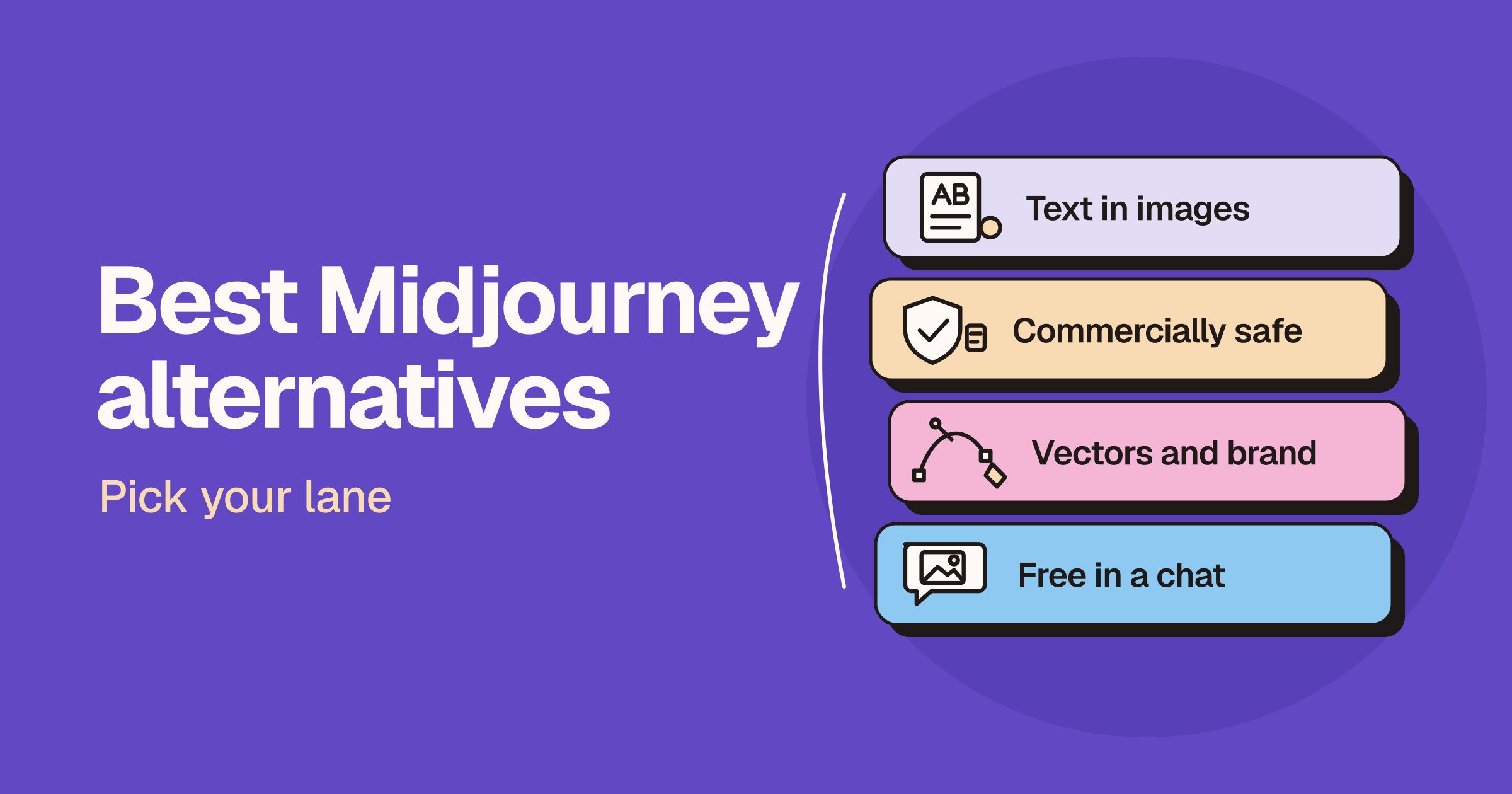
Best Midjourney alternatives: free and paid image generators
The best Midjourney alternative depends on the job: Adobe Firefly for commercially safe images, Ideogram for text in images, ChatGPT and Gemini for free images in a chat, Recraft for vectors, Flux for developers, Krea for many models and Canva for designs.

Gemini 4 Neon: what's new and who can use it
Google announced Gemini 4 Neon on November 18, 2026: a model that sits between Carbon and Hydrogen for complex coding and analysis at lower cost. Here's what's new, who can use it in the Gemini app, API, Antigravity, Cursor and Copilot, and what it costs.